How the US Midterms Reshaped the Risk of US Iran Strike
Bloomberg Politics's headline. Reported by Bloomberg Politics.

What the sources say, in brief
According to Bloomberg, the likelihood of US military action against Iran remains uncertain following the midterm elections. Bloomberg's Abeer Abu Omar said crude prices have declined on market expectations that an immediate attack is unlikely. The report is based on a single source, so no other outlets' accounts are available for comparison. The headline frames the midterms as having reshaped the risk of a strike.
Generated from the headlines and excerpts below and checked automatically: any number or name not present in the sources rejects the summary, and each bullet is checked the same way. Version 1.
How the US Midterms Reshaped the Risk of US Iran Strike. According to Bloomberg, the likelihood of US military action against Iran remains uncertain following the midterm elections. Bloomberg's Abeer Abu Omar said crude prices have declined on market expectations that an immediate attack is unlikely. The report is based on a single source, so no other outlets' accounts are available for comparison. The headline frames the midterms as having reshaped the risk of a strike. Covered by 1 publications. Bloomberg Politics: How the US Midterms Reshaped the Risk of US Iran Strike.
Who is covering it
- Bloomberg Politics United States How the US Midterms Reshaped the Risk of US Iran Strike Bloomberg's Abeer Abu Omar says the likelihood of US military action against Iran remains uncertain following the midterm elections, even as crude prices decline on market expectations that an immediate attack is unlikely. (Source: Bloomberg) 2 h ago · Tier 1
Headlines and excerpts are the publishers' own, shown under quotation for review and linked to the originals.
More from Politics

Elon Musk’s nearly half a billion dollars in midterms spending was a flop
According to The Guardian, Elon Musk set a record for election spending this year, pouring $446m into campaigns backing Republican candidates in the US midterm elections. The Guardian reported that the spending was a poor investment, as the candidates he backed failed. The same story appeared in The Guardian's Business, World and UK editions, and all three carry identical wording. The sources supplied do not include other outlets or further detail on the outcomes. The story is marked as developing, so further reporting may follow. Summary from 3 sources
Summary from 3 sources The Guardian Business first
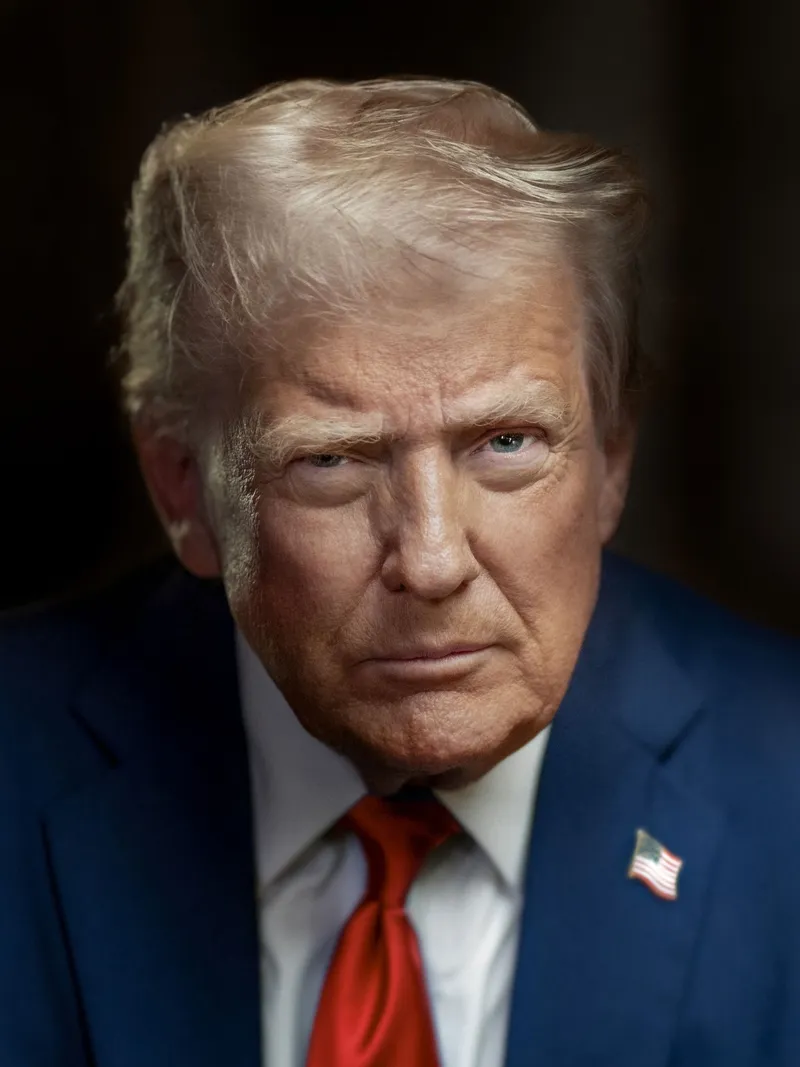
Trump Says He'll Accept Results of Elections
According to The New York Times, U.S. President Donald Trump said in an interview that he will accept the results of the midterm elections, where incoming figures indicate a Democratic win in Congress. The Korea Times and IOL carried the same New York Times reporting, quoting Trump as saying he is "absolutely willing to accept those results." The Globe and Mail reported that Trump congratulated Democrats for their victories but said the midterms were not a referendum on his work. The New York Times said Trump blamed Republican losses on his not being on the ballot and said he was willing to work with Democrats. Bloomberg quoted him saying they would "work with the Democrats." TASS and ThisDay reported similar acceptance of the results. The sources describe the outcome as still developing. Summary from 8 sources
Sources differ: The Globe and Mail says Trump rejected the results as a referendum on him, while the New York Times reports he blamed the losses on not being on the ballot.
Summary from 8 sources Bloomberg Politics first also The New York Times Politics, The Globe and Mail, IOL, The Korea Times and 2 more
PM says sees no big change in alliance with U.S. after Trump's election defeat
SEOUL, Nov. 5 (Yonhap) -- Prime Minister Han Seong-sook said Thursday she antici... Excerpt, Yonhap News
Source Yonhap News also The Korea Herald, The Korea Times