Korea plans to require firms to hold retirement funds externally by 2030
The Korea Herald's headline. Reported by The Korea Herald.

What The Korea Herald reported
South Korea plans to require all employers to keep funds for workers’ retirement benefits outside their businesses by 2030, seeking to reduce the risk of employees leaving their jobs without being paid. “We must develop retirement pensions worth more than 500 trillion won ($373.9 billion) into a gen
The publisher's own words, quoted for review. Every outlet carrying the story is listed below with its link.
Korea plans to require firms to hold retirement funds externally by 2030. South Korea plans to require all employers to keep funds for workers’ retirement benefits outside their businesses by 2030, seeking to reduce the risk of employees leaving their jobs without being paid. “We must develop retirement pensions worth more than 500 trillion won ($373.9 billion) into a gen Covered by 1 publications. The Korea Herald: Korea plans to require firms to hold retirement funds externally by 2030.
Who is covering it
- The Korea Herald South Korea Korea plans to require firms to hold retirement funds externally by 2030 South Korea plans to require all employers to keep funds for workers’ retirement benefits outside their businesses by 2030, seeking to reduce the risk of employees leaving their jobs without being paid. “We must develop retirement pensions worth more than 500 trillion won ($373.9 billion) into a gen 29 Oct · Tier 3
Headlines and excerpts are the publishers' own, shown under quotation for review and linked to the originals.
More from Business
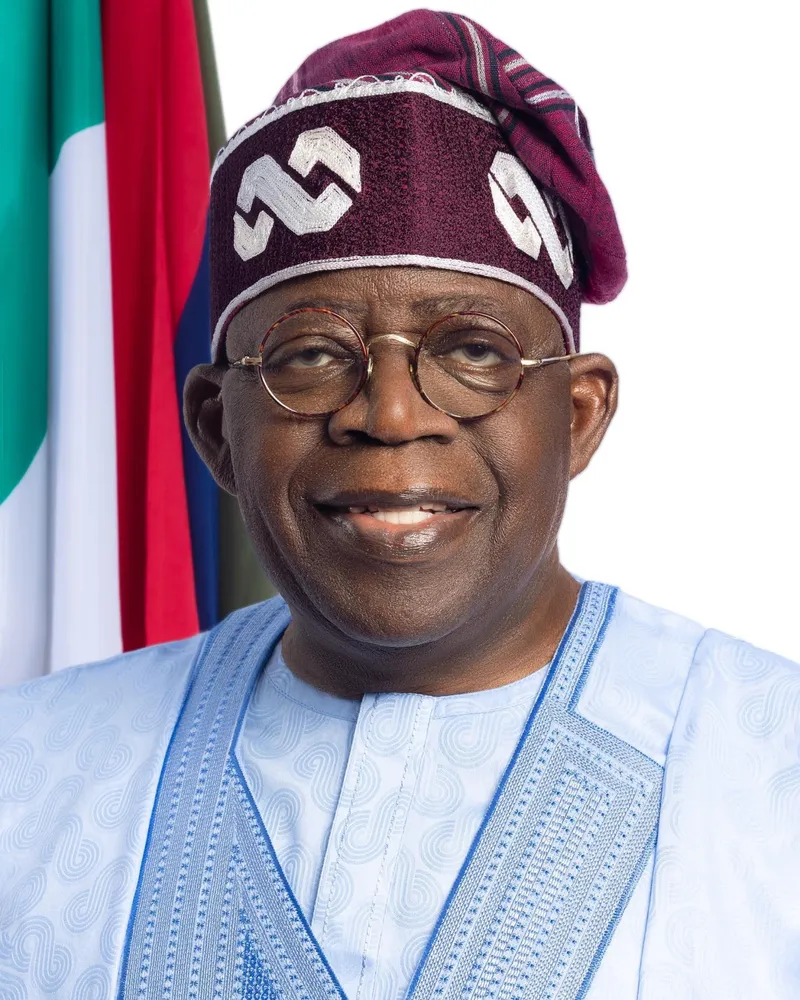
Tinubu defends $21.7 billion loans, says Nigeria needs infrastructure to reach $1 trillion economy
According to Nairametrics, President Bola Tinubu has defended his administration's borrowing plans, arguing that loans should be judged by the infrastructure they deliver, the economic value they create and their long-term benefits to Nigerians. BusinessDay reported that Tinubu highlighted projects including the Lagos-Calabar Coastal Highway, the Sokoto-Badagry Superhighway, the Trans-Sahara Superhighway and electricity grid upgrades, as part of a push toward a $1 trillion economy. The excerpts supplied do not give further details on the amounts borrowed or the timelines for the projects. The headline refers to $21.7 billion in loans, a figure not repeated in the excerpts provided. The two sources present the same core message and do not conflict on any figure or outcome. Summary from 2 sources
Summary from 2 sources Nairametrics first also BusinessDay
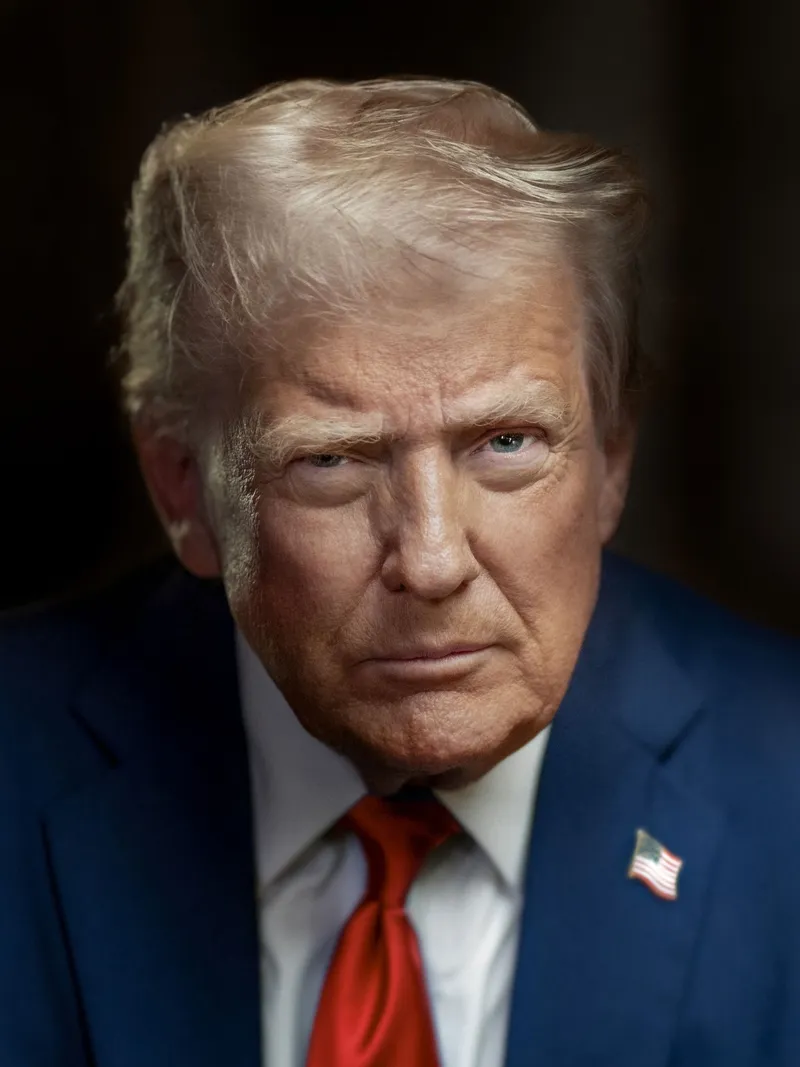
The U.S. Called It Putin’s ‘Slush Fund.’ Now Trump May Drop Sanctions on It.
The move would be the latest U.S. concession to Moscow as President Trump pursues economic incentives he hopes will secure an end to war in Ukraine. Excerpt, The New York Times
Source The New York Times also The Japan Times
AI Debt Drives Wedge Between Corporate Bonds and Credit Hedges
Some of the most popular ways to hedge credit are breaking down just as concerns mount over the flood of artificial intelligence-linked debt. Excerpt, Bloomberg Markets
Source Bloomberg Markets