NASA Selects 19 New Citizen Science Proposals in 2026
NASA's headline. Reported by NASA.

What NASA reported
So far, 2026 has seen a flood of successes for volunteers who do NASA science, exemplifying NASA’s commitment to gold-standard science—transparent, reproducible and intrinsically collaborative. The Backyard Worlds: Planet 9 project announced that their project volunteers have now discovered most of
The publisher's own words, quoted for review. Every outlet carrying the story is listed below with its link.
NASA Selects 19 New Citizen Science Proposals in 2026. So far, 2026 has seen a flood of successes for volunteers who do NASA science, exemplifying NASA’s commitment to gold-standard science—transparent, reproducible and intrinsically collaborative. The Backyard Worlds: Planet 9 project announced that their project volunteers have now discovered most of Covered by 1 publications. NASA: NASA Selects 19 New Citizen Science Proposals in 2026.
Who is covering it
- NASA United States NASA Selects 19 New Citizen Science Proposals in 2026 So far, 2026 has seen a flood of successes for volunteers who do NASA science, exemplifying NASA’s commitment to gold-standard science—transparent, reproducible and intrinsically collaborative. The Backyard Worlds: Planet 9 project announced that their project volunteers have now discovered most of 28 Oct · Tier 1
Headlines and excerpts are the publishers' own, shown under quotation for review and linked to the originals.
More from Technology

Scientists reveal a hidden snakebite crisis killing up to 513,000 people a year
A startling new study suggests that venomous snakebites are killing far more people worldwide than official statistics indicate, with an estimated 274,000 to 513,000 deaths every year. Researchers found that as many as 7 million people could suffer snake envenoming annually, while more than 800,000 Excerpt, ScienceDaily
Source ScienceDaily

President Trump's tariffs have not decreased US trade deficits, German study shows
The US-Israeli war against Iran is increasing already high public debt and pushing up interest rates, with creditors questioning whether the US can sustain its outstanding debt of $40 trillion. Excerpt, The Jerusalem Post
Source The Jerusalem Post
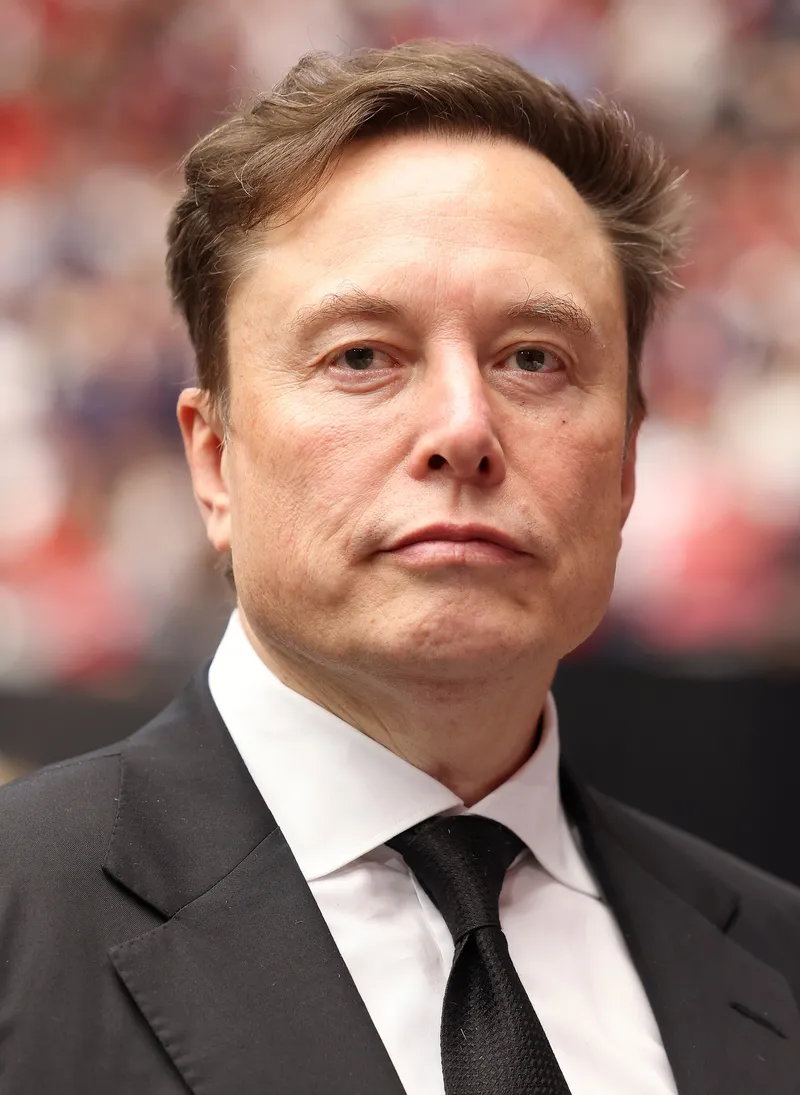
Elon Musk is a 'real genius', Putin says after satellite talks with SpaceX boss
The Russian President praised Musk and said they are in "close" contact. Excerpt, BBC Science & Environment
Source BBC Science & Environment also BBC News, MyJoyOnline